
Most (as much as 82%) of customers compare prices online before actually making a purchase, highlighting how customer expectations and market demand guide their choices. But it’s not just comparing prices, it’s going as far as to look for the lowest one among the products or services we’re looking for.
Which is obvious. We’re not only in a tough economy—we also have the resources to do proper and thorough market research and find only the best of the best opportunities.
For businesses, that means fighting the competition with the most enticing pricing should be the holy grail strategy, right?
At the same time, according to an estimate made by McKinsey, even a 1% increase in prices can lead to an overall 8% increase in profits, based on the average S&P companies.
Which is true, then? Or maybe, are these not mutually exclusive as strategic pricing decisions you can take?
In this article, we’ll explore a strategy that follows this exact principle and explain how to win with competitive (doesn’t necessarily mean lowest!) prices among other businesses offering the same or similar products or services within highly competitive markets.
Let’s get to our competitive pricing analysis.
What Is Competitive Pricing?
Competitive pricing is when a business sets the price of its products or services based on what its competitors are charging, either higher or lower. Instead of just picking a price out of thin air or what we think the best price would be, the company checks what others in the market are doing and tries to match or beat those prices to attract customers.
It’s like shopping around for the best deal—you want to stay close to what everyone else is offering so you don’t price yourself out of the game, while maintaining profit margins and doing all to remain competitive.
A competitor-based pricing strategy, on the other hand, is basically the game plan a business uses to decide how to price its products or services by looking closely at competitors’ pricing strategies and pricing data available in the market. A more broad look at the competition-based pricing POV.
So it’s not just about copying prices; it’s about using those competitor prices as a key factor in shaping your own pricing to gain market share while maintaining customer perception and aligning with market expectations. But it doesn’t mean just offering a lower price and calling it a day.
Maybe your product or service is of much higher quality or offers the customer more at the end of the day, and so, can still be priced higher than the competition, but offer more or better in the long run and against the money paid, aligning with perceived value.
For example, a company might decide to:
- Price slightly lower than competitors to attract more customers (think: “Hey, we’re cheaper!”),
- Match competitor prices to stay in the same price ballpark and compete on other things like quality or service,
- Price higher if they believe their product offers more value or prestige.
So the strategy is about deciding how to use competitor prices to reach your business goals—whether that’s winning customer acquisition, maximizing profits, market expansion, or building a premium offering.
Does Competitive Pricing Work if Your Product/Service Is Completely Different?
Short answer: not effectively. ❌
Why?
Competitive pricing relies on direct comparability (features, quality, target customer, use case).
If your offering is completely different, price comparisons do not reflect value perception or market positioning, making competitor prices largely irrelevant.
Unless… it’s not you, but your customers seeing a similarity (even though, to you there might be none).
If the customers are still comparing you with other businesses, you may look into why, with whom, and what their offerings vs prices are to then adjust (if applicable) your own pricing method or pricing model.
When to Choose Competitive Pricing Strategy? 3 Use Cases
So when exactly should you choose a competitive pricing strategy?
First, let’s lead with an example where a competitive pricing strategy actually chose a business, just like the wand chooses the wizard (whether purposefully or not).
Carrd, the cheapest landing page builder, grew significantly, offering a freemium model and one of the simplest user journeys you can think of (you don’t have to sign up to try out the builder). The two factors combined made the business’s numbers go up and up.
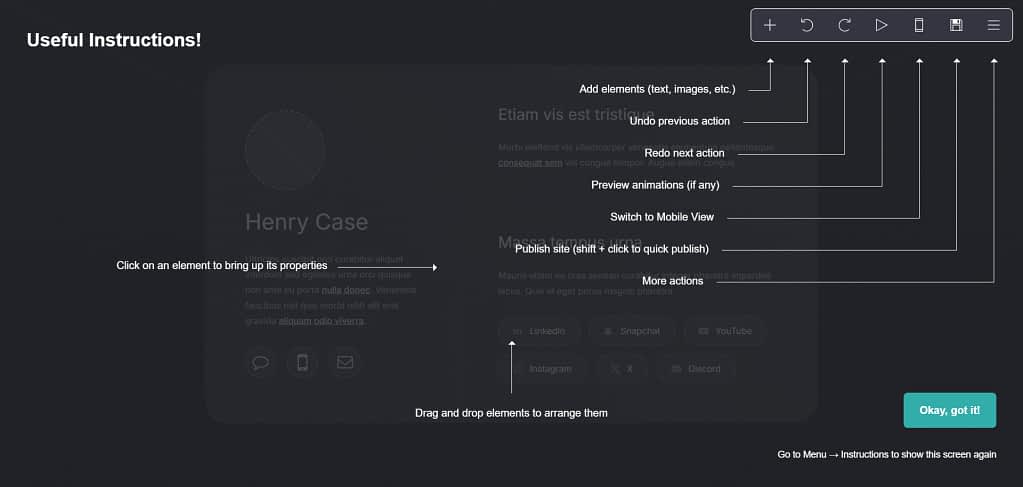
But Carrd is not an entirely intentional use case of competitive pricing since AJ (the founder of Carrd) did not mention comparing the prices with competitors when launching his platform.
Still, the low price combined with the simplicity of the product worked.
Let’s now analyze some more intentional examples of using a competitive pricing strategy and it working for a specific use case, starting with…the fashion industry.
Quince: High-Quality (Even Luxury) Goods at Low Prices
Quince is a fashion store that offers luxury-quality essentials at radically low prices.
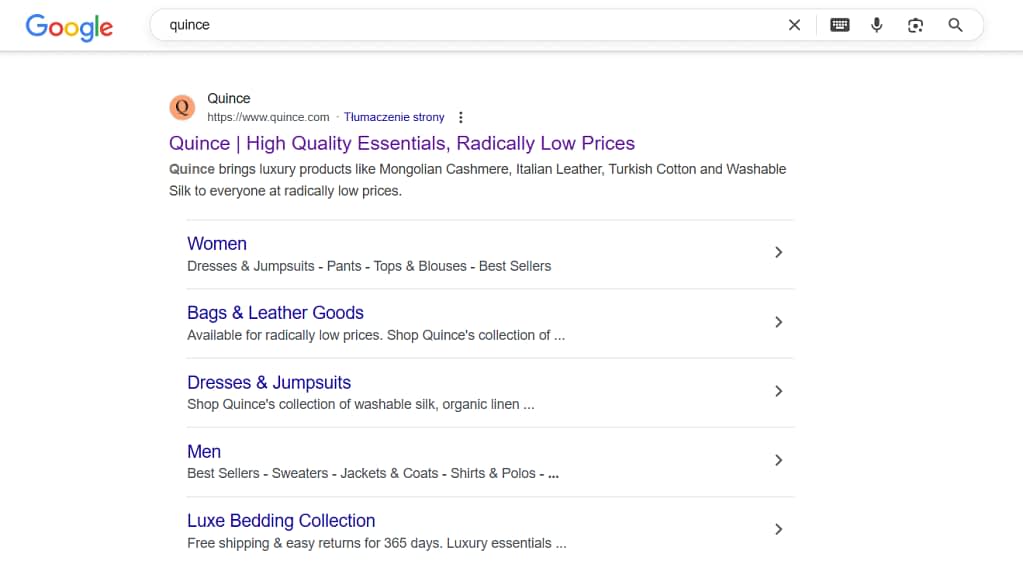
And Quince is very clear in their usage of the competitive pricing strategy, highlighting the low and competitive prices in several places—even in the meta title of their website displayed before ever stepping a digital foot into their online store.
Besides highlighting the best prices on their website, they also quite literally share what the average retail price for a given item is and display how much the end customer saves purchasing that item via Quince.
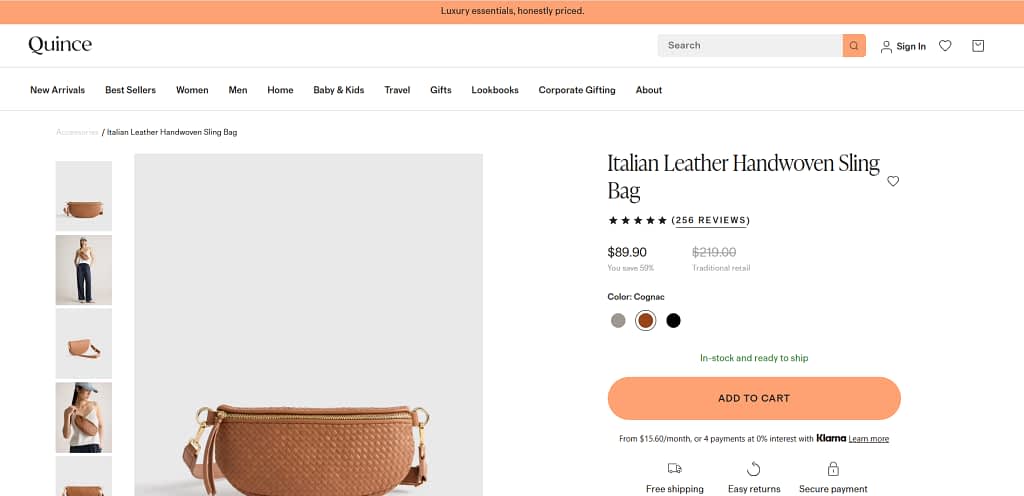
By cutting out the middleman and displaying competitors’ prices alongside their own, Quince positioned itself as an affordable alternative for high-end products, appealing to cost-conscious consumers seeking quality.
Spirit Airlines & Ryanair: Competing on Price by Stripping Down Service
Flying can be as expensive as you want it to be.
Showing just how dynamic pricing models and pricing trends can impact customer demand.
Take Emirates as an example: for a price of $10,000 or more one-way, you get a private suite with sliding doors, caviar and Dom Pérignon on demand, access to an onboard shower spa, a bag of goodies to take home, and the kind of luxury that turns a flight into a whole five-star hotel experience in the sky.
But flying can also be as cheap as you want it to be, at least with the cheaper airlines that compete exactly on that…pricing.
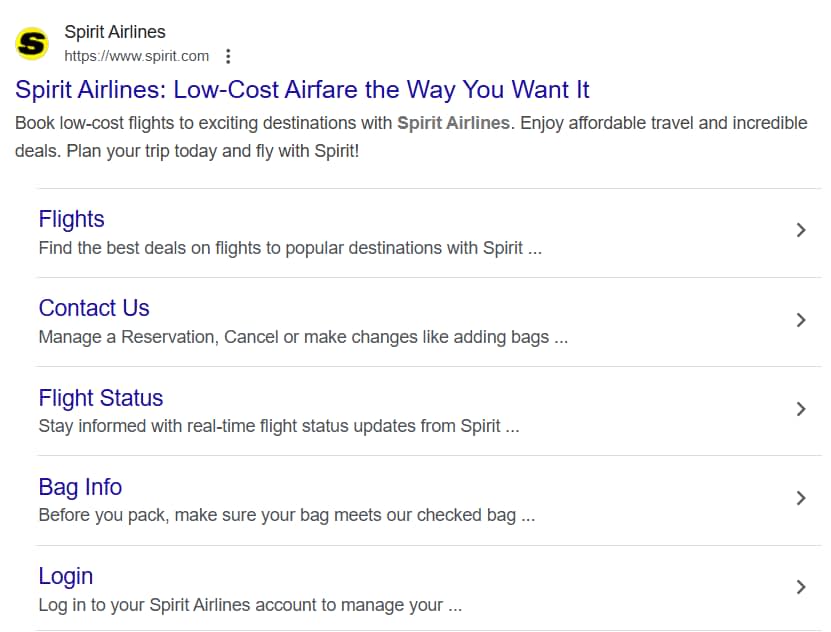
Spirit Airlines and Ryanair are the champions of cheap flying, cutting out everything non-essential to offer the lowest possible fares. Forget free snacks or free seat selection—these airlines compete almost entirely on price, charging you only for the flight and letting you decide if you want to pay extra for bags, boarding priority, or even water.
It’s flying in its most stripped-down, pay-for-what-you-use form, perfect for travelers who care only about getting from point A to point B for the lowest possible price. Practices such as packing the planes to high capacity with quick turnaround to maximize aircraft utilization are also a great example of them giving themselves the option to offer the cheapest prices.
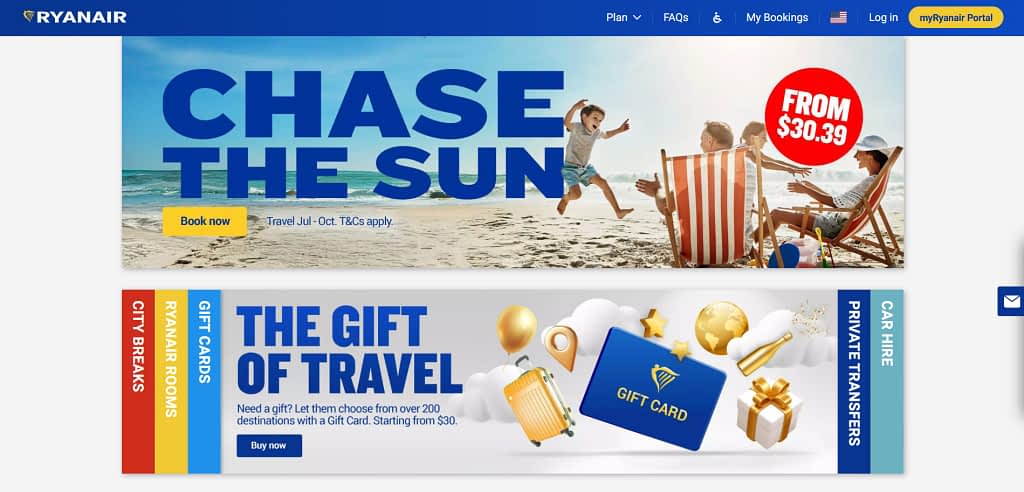
Spirit and Ryanair set their base prices specifically lower than competitors to attract price-sensitive travelers and are competing on price as their primary differentiator, not comfort, service quality, or flexibility. Which many passengers like to point out later.
It’s not just passengers, though. Ryainair makes the low prices = low quality their whole positioning online, embracing the facts instead of soaping up the customers’ eyes.
Like in this video on their TikTok page, which straigth-forwardness is what makes Ryainair succeed heavily on socials.
Ashore—Competitive Entry Pricing in SaaS
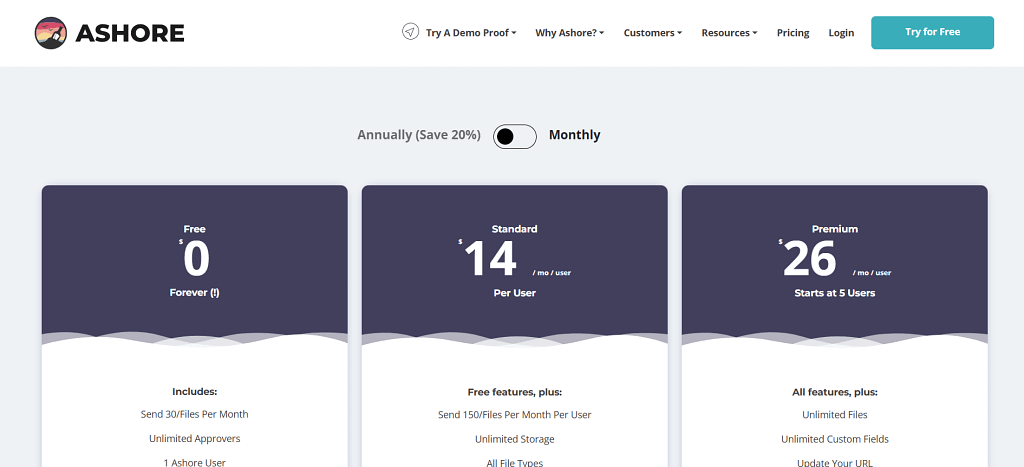
Ashore, an online proofing software company, used competitive pricing to break into a crowded market by setting its price at half of what well-funded competitors charged. Just take a look at other online proofing tools and their prices, and you’ll easily see what we mean.
Instead of trying to out-feature bigger players with heavy marketing budgets, Ashore focused on providing a clean, reliable tool at an accessible price point, appealing to freelancers, agencies, and small teams who wanted online proofing but couldn’t justify expensive subscriptions.
This approach allowed Ashore to:
✅ Attract price-sensitive customers who might otherwise stick with clunky manual workflows,
✅ Position itself as a credible, affordable alternative without looking “cheap.”,
✅ Build momentum through word of mouth and satisfy early adopters who appreciated the balance of functionality and price.
According to Crunchbase’s statistics, Ashore’s performance metrics are going up more and more as the years go by.
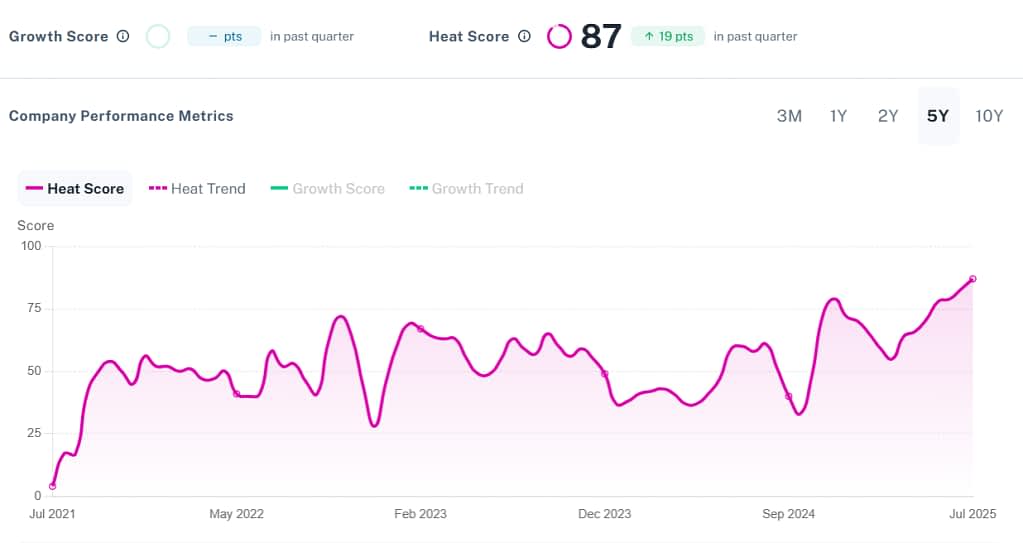
By undercutting competitors while still offering a quality product, Ashore’s competitive pricing strategy became a strategic ‘foot in the door’ into a market dominated by higher-priced sharks, proving that you can grow sustainably without needing to match features or budgets—just by meeting customer needs at a price they are eager to pay.
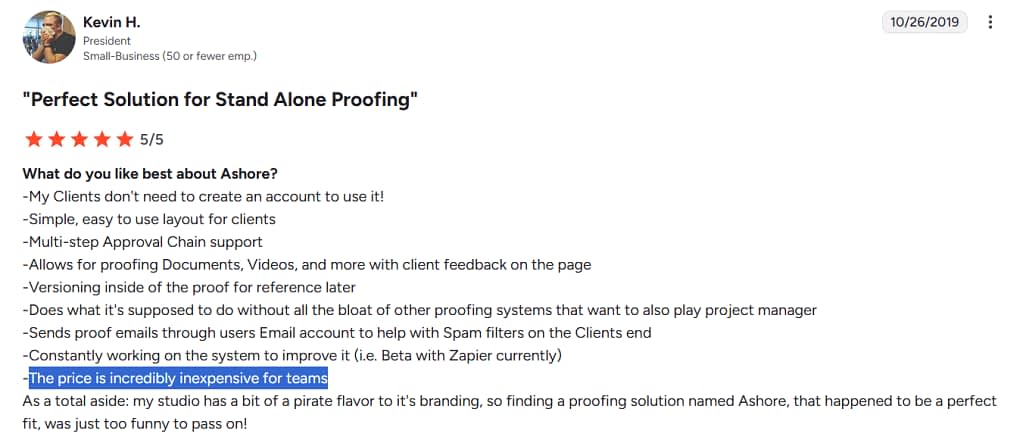
And further proving that it’s not just physical products or services that can take advantage of a competitive pricing strategy.
So, When Does Competitive Pricing Work?
The above examples show that competitive pricing works across wildly different use cases:
✅ From Carrd, which grew by combining a freemium model with radical simplicity (even if not intentionally comparing competitor pricing),
✅ through Quince, which sells luxury-quality goods at low prices while openly displaying competitor prices to win over cost-conscious customers,
✅ to Spirit Airlines and Ryanair, which strip down service to the bare minimum to offer the cheapest fares in the market,
✅ and Ashore, which entered a crowded SaaS space by charging half the price of competitors to attract budget-sensitive but quality-seeking customers.
Competitive pricing works best when:
- Your target market is highly price-sensitive,
- You can sustain lower prices through cost efficiencies (e.g., direct-to-consumer, stripped-down services),
- You want to break into a market dominated by high-priced players,
- You can use lower prices to drive word of mouth and trial while maintaining quality,
- Your product or service exceeds others in quality or other differentiators a lot, allowing you to charge more and still be competitive.
In other words, whether you’re selling flights, sweaters, landing page builders, or SaaS software platforms—competitive pricing can be a powerful growth lever if your customer segment values affordability and you can deliver it sustainably.
Pros of Competitive Pricing
To sum it up, let’s draw a simple pros & cons list, starting with the advantages.
First things first, competitive pricing helps you attract customers quickly (or attract more loyal, quality-seeking customers when charging more), especially in markets where buyers are highly price-sensitive and actively compare options before purchasing (judging by the first statistic shared in this article, we know most customers do compare prices).
It can be a powerful entry into crowded markets, allowing you to win over customers from higher-priced competitors without requiring massive marketing or product budgets.
If you can offer a solid product while keeping prices low or exceed the competition highly with your offering’s quality, it often drives word-of-mouth growth, as customers feel they’re getting a great deal.
Competitive pricing can also force operational efficiencies, encouraging you to streamline costs to maintain margins while offering lower prices (or driving more revenue when charging more), which can strengthen your business long-term.
And of course, the biggest pro of them all, competitive pricing strategy makes it easier to decide on your pricing, especially if you’re just starting out your business. Because you’re not just guessing, you have something to base the pricing on.
Cons of Competitive Pricing
While a competitive pricing strategy can help you win market share, it’s not without its downsides.
Basing your prices too closely on competitors can limit your differentiation, making it harder to stand out or communicate your unique value.
If you’re pricing lower to undercut the competition, you risk starting a price war that erodes everyone’s margins and hurts long-term sustainability, while also attracting price-sensitive customers who churn easily or don’t appreciate your product’s true value.
Lower prices can lead to perceptions of lower quality, and if bigger competitors decide to drop their prices, you might find yourself unable to keep up while maintaining healthy margins.
On the other hand, if your competitive pricing strategy means pricing higher to signal premium quality, you need clear differentiation to justify the premium—otherwise, you may lose customers who can’t see why they should pay more.
Relying on competitor prices also assumes those prices are correct, which isn’t always the case, and it can distract you from pricing based on what your customers actually perceive as valuable, potentially leaving money on the table.
Plus, maintaining a competitive pricing strategy requires constant monitoring and data analysis to keep up with market shifts, adding operational complexity to your business.
Competitive Pricing Examples: 4 Success Stories
Knowing the pros and cons, let’s look at some more real-life examples of competitive pricing strategy done right.
Amazon—Aggressive Early Pricing
Amazon is a classic example of how competitive pricing can build an empire. Back when it was just selling books, Amazon priced them so low that it often sold below cost, undercutting local bookstores and other online sellers, often referred to as penetration pricing or loss leader pricing.
As Amazon staff say themselves:
“Low prices matter to customers—they always have and they always will. From the beginning, Amazon has obsessed over offering customers low prices across our wide selection of products, with fast, reliable delivery.”
Even if you do get a discount by some grace of Gods (for example, if you’re a new customer or got the code off of an influencer’s video), some items won’t be taken into account.
This aggressive pricing wasn’t about turning a quick profit, though. It was about rapidly building a customer base, becoming the go-to place for buying books online, and establishing trust. And it worked. That pricing strategy laid the foundation for Amazon’s expansion into every product category imaginable, turning it into the e-commerce giant it is today.
Lululemon—Premium Pricing for Athleisure
Not all competitive pricing means being the cheapest.
Lululemon took a different route: it priced its workout apparel higher than competitors, positioning itself as the premium athleisure brand. By focusing on quality, fit, and building a community around its products, Lululemon turned gym clothes into a lifestyle and a subtle status symbol.
Even it’s no-discount policy proves further that Lululemon is not for sale, as we can read in a LinkedIn article on the company’s pricing strategy:
“The company’s no-discount policy is a cornerstone of its pricing strategy. Unlike competitors that frequently offer markdowns, Lululemon discounts only old stock—and even then, discounts are modest and available only in select stores or online. This strategy creates a perception of exclusivity and prevents the brand from being devalued by constant sales.”
People were willing to pay more for leggings that felt better and lasted longer, proving that competing on price can also mean strategically positioning yourself at the high end of the market to attract customers who value quality.
Zoom—Freemium Model with Strategic Upselling
Zoom’s rise is a masterclass in using freemium pricing to outcompete others in a crowded SaaS space.
By offering a free plan with essential features and time-limited meetings, Zoom made it frictionless for anyone to try it, especially during the COVID-19 pandemic when remote work exploded.
The catch? Those free 40-minute limits and missing advanced features nudged users to upgrade to paid plans once they were hooked.
So Zoom’s competitive pricing made it accessible to the masses while strategically converting a large chunk of those users into paying customers, fueling its rapid growth
Dollar Shave Club—Unconventional Take on the Razor Industry
Dollar Shave Club stepped onto the scene in 2012 by offering quality razors delivered via subscription for just $1/month—a sharp contrast to the high-priced blades locked in retail packaging from industry giants like Gillette, and absolutely won.
By cutting out the middleman, the company kept prices low while maintaining solid product quality.
Their viral “Our Blades Are F*ing Great” launch video smashed expectations, driving 12,000 orders in the first 48 hours and millions of views online. In which they highlight several times how many dollars they’re helping you save, even throwing some in the air later in the video.

This buzz, combined with a convenient subscription model, led to rapid growth, racking up hundreds of thousands of subscribers within its first year at prices that were significantly lower than traditional drugstore razors.
Ultimately, the combination of low price, high convenience, and memorable marketing helped Dollar Shave Club capture substantial market share—leading to its $1 billion acquisition by Unilever in 2016.
Level Up Your Pricing Strategy with Zendo
Price matching, charging higher, charging lower than your competitors are all examples of competitive-based pricing. If that’s the pricing strategy you want to go for in your business and recreate the success of the above-listed examples, from Amazon to Ryainair to Zoom, you can easily do that with Zendo.
Just the right tool for selling services the way you want to.
From the absolute basics, including Stripe payments, bank transfers, quotes, invoices, varied service types (subscriptions, one-time productized services, custom offers), to everything else to help you manage the business, including customizable client portals, intake forms, a whole Service Catalog to build, automations, chat, and more.
The best part?
With Zendo, no matter which pricing strategy you decide to choose, you’ll have the option to test it out with a completely safe sandbox environment. See what your new offers looks like, how the customer experience flows, and decide if that’s what you want to go for, without guessing.
Test out competitive pricing or other pricing strategies without the headache.
FAQ
What is Price Competition?
Price competition is when businesses analyze the prices of their competitors and try to win customers by offering the same, lower, or higher prices (for better product or service value) than their competitors.
Unlike value-based pricing, which bases the pricing on the perceived value of a given product or service, you’re more concerned with your competitors’ moves and using them to your advantage.
How to do Competitive Pricing Analysis?
Start by identifying your key competitors, then collect their pricing data for products or services similar to yours. You can do that by doing simple research, running customer surveys, or using dedicated tools.
Compare those prices with your costs and your positioning goals. Look for patterns: are they competing on low price, bundling, or premium pricing? This helps you decide whether to match, undercut, or differentiate your prices while staying profitable.
What is The Best Competitive Pricing Tool?
The best use of price intelligence to your advantage is with tools that make turning that knowledge into real gains in your market segment easy. Zendo is a client portal software made exactly for selling services via different pricing strategies, including the pricing strategy based on competition.
Zendo offers all the basics for selling different types of services with different methods, from one-offs to automated subscriptions, to advanced features, including a whole testing environment for trying out what works best for consumer demand.
Is Competitive Pricing Illegal?
No, competitive pricing itself isn’t illegal. However, practices like predatory pricing (pricing below cost to drive out competitors) are illegal in many countries. As long as you’re independently setting your prices based on market analysis, you’re good to go.